Understanding Brain Injury: Coping Strategies that Help
- Markus Winter
- Mar 6
- 3 min read

Brain injuries can have profound effects on individuals and their families. Whether caused by trauma, stroke, or other medical conditions, the impact of a brain injury can be life-altering. Understanding the nature of brain injuries and exploring effective coping strategies is crucial for recovery and adaptation. This blog post aims to provide insights into brain injuries and practical strategies to help those affected navigate their journey toward healing.
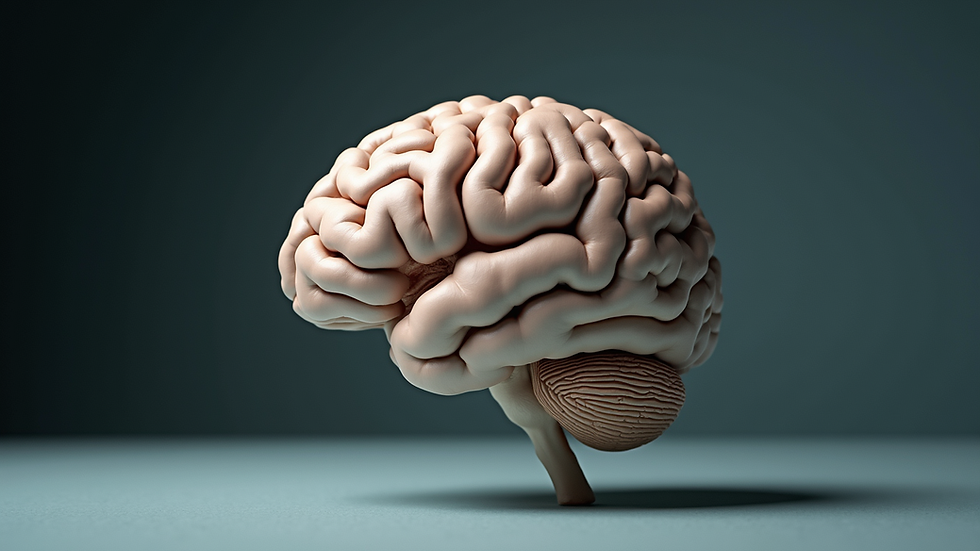
What is a Brain Injury?
A brain injury refers to any damage to the brain that disrupts its normal functioning. These injuries can be classified into two main categories:
Traumatic Brain Injury (TBI)
Traumatic brain injury occurs when an external force causes damage to the brain. Common causes include:
Falls
Vehicle accidents
Sports injuries
Violence (e.g., gunshot wounds)
Acquired Brain Injury (ABI)
Acquired brain injury occurs due to internal factors, such as:
Stroke
Tumors
Infections
Lack of oxygen (hypoxia)
Both types of brain injuries can lead to a range of physical, cognitive, and emotional challenges.
Understanding the Effects of Brain Injury
The effects of brain injury can vary widely depending on the severity and location of the injury. Common symptoms include:
Cognitive impairments: Difficulty with memory, attention, and problem-solving.
Physical challenges: Weakness, coordination issues, and fatigue.
Emotional changes: Mood swings, anxiety, and depression.
Recognizing these symptoms is the first step toward effective coping and rehabilitation.
Coping Strategies for Individuals with Brain Injury
Coping with the aftermath of a brain injury can be daunting. However, several strategies can help individuals and their families manage the challenges they face.
Establish a Support System
Building a strong support network is essential. This can include:
Family members
Friends
Support groups
Healthcare professionals
Having people to talk to and share experiences with can significantly reduce feelings of isolation.
Set Realistic Goals
Setting achievable goals can provide a sense of purpose and direction. Start with small, manageable objectives and gradually increase their complexity. For example:
Short-term goal: Complete a daily journal entry.
Long-term goal: Return to work or school part-time.
Engage in Rehabilitation Programs
Participating in rehabilitation programs tailored to individual needs can facilitate recovery. These programs may include:
Physical therapy: To improve mobility and strength.
Occupational therapy: To enhance daily living skills.
Speech therapy: To address communication difficulties.
Practice Mindfulness and Relaxation Techniques
Mindfulness and relaxation techniques can help manage stress and anxiety. Consider incorporating practices such as:
Meditation: Focus on breathing and present-moment awareness.
Yoga: Combine physical movement with mindfulness.
Deep breathing exercises: Promote relaxation and reduce tension.
Maintain a Healthy Lifestyle
A balanced lifestyle can support overall well-being. Key components include:
Nutrition: Eating a balanced diet rich in fruits, vegetables, whole grains, and lean proteins.
Exercise: Engaging in regular physical activity, as tolerated.
Sleep: Prioritizing quality sleep to aid recovery.
Utilize Cognitive Aids
Cognitive aids can help manage memory and attention difficulties. Consider using:
Calendars: To keep track of appointments and tasks.
Reminders: Set alarms or use smartphone apps for important activities.
Journals: Document thoughts and feelings to enhance self-reflection.
Coping Strategies for Families and Caregivers
Families and caregivers play a crucial role in supporting individuals with brain injuries. Here are some strategies to help them cope:
Educate Yourself
Understanding brain injuries and their effects can empower families and caregivers. Resources such as books, websites, and support groups can provide valuable information.
Communicate Openly
Encouraging open communication can foster a supportive environment. Discuss feelings, concerns, and expectations to strengthen relationships.
Take Care of Yourself
Caregivers must prioritize their own well-being. This includes:
Taking breaks
Seeking support from others
Engaging in self-care activities
Be Patient and Flexible
Recovery from a brain injury can be unpredictable. Patience and flexibility are essential as individuals navigate their healing journey.
The Role of Professional Help
Professional help can be invaluable in the recovery process. Various specialists can provide support, including:
Neuropsychologists: Assess cognitive function and develop treatment plans.
Rehabilitation specialists: Design personalized rehabilitation programs.
Counselors or therapists: Address emotional and psychological challenges.
Conclusion
Coping with a brain injury is a complex journey that requires understanding, support, and effective strategies. By establishing a strong support system, setting realistic goals, engaging in rehabilitation, and maintaining a healthy lifestyle, individuals and their families can navigate the challenges of brain injury more effectively. Remember, recovery is a gradual process, and every small step counts. Embrace the journey, seek help when needed, and focus on building a fulfilling life post-injury.

Comments